The Complete HVAC System Anatomy
Understand the most heavily marketed home system in America. This encyclopedic guide exposes real component lifespans, modular replacement parts that cost $40 — not $8,000 — and the psychological tactics corporate HVAC techs use to force premature full-system replacements on Spokane homeowners.
The outdoor condensing unit contains a compressor and a fan. It cycles refrigerant between the outdoor unit and the indoor evaporator coil. Contrary to popular belief, air conditioners do not "create cold air." They extract heat from indoor air and dump it outside. The evaporator coil (sitting above your furnace) absorbs the heat; the condenser coil (outside) rejects it.
Lifespan: A well-maintained AC condenser lasts 15-20 years. The compressor is the most expensive component (~$1,500 to replace). However, the vast majority of AC failures are caused by simple capacitor failures ($15 part, $150 service call) or low refrigerant due to a slow leak.
Sheet metal or flexible ducts carry conditioned air from the furnace/AC to every room via supply registers, and return "stale" air back to the system via return air grilles. In Spokane's older homes (pre-1980), you will often find asbestos-wrapped duct insulation. This is generally safe if undisturbed, but must be professionally abated before any duct modification work.
The Dirty Secret: According to the Department of Energy, 20-30% of conditioned air escapes through leaky duct joints before it ever reaches your rooms. Sealing duct joints with mastic paste (not duct tape, which fails within 2 years) is one of the cheapest and most impactful energy upgrades you can make.
The thermostat is the command center. It reads the ambient temperature, compares it to your set point, and sends a low-voltage signal (24V) to either the furnace or AC to cycle on. Modern smart thermostats (Nest, Ecobee) add Wi-Fi scheduling, occupancy detection, and energy-usage reporting.
Critical Wiring Note: Older Spokane homes may only have a 2-wire thermostat cable (R and W). If you want to upgrade to a smart thermostat that requires a "C-wire" (Common wire for continuous 24V power), you either need to run a new cable or install a $25 "Add-A-Wire" adapter kit — NOT a $500 "thermostat upgrade package" from a corporate HVAC company.
Gas furnaces produce combustion byproducts (carbon monoxide, water vapor) that must be vented outside. Older 80% efficiency furnaces use a metal flue pipe venting vertically through the roof. Modern 90%+ (condensing) furnaces use PVC pipe venting horizontally through a side wall, because the exhaust is cool enough that it won't melt plastic.
Why This Matters: If a tech tells you your old metal flue is "unsafe" and quotes you $12,000 for a new 96% efficiency furnace, understand that the metal flue is not inherently dangerous — it was standard code for decades. The tech is using fear to upsell a system you may not need yet.
2. Furnaces Decoded: What Actually Breaks
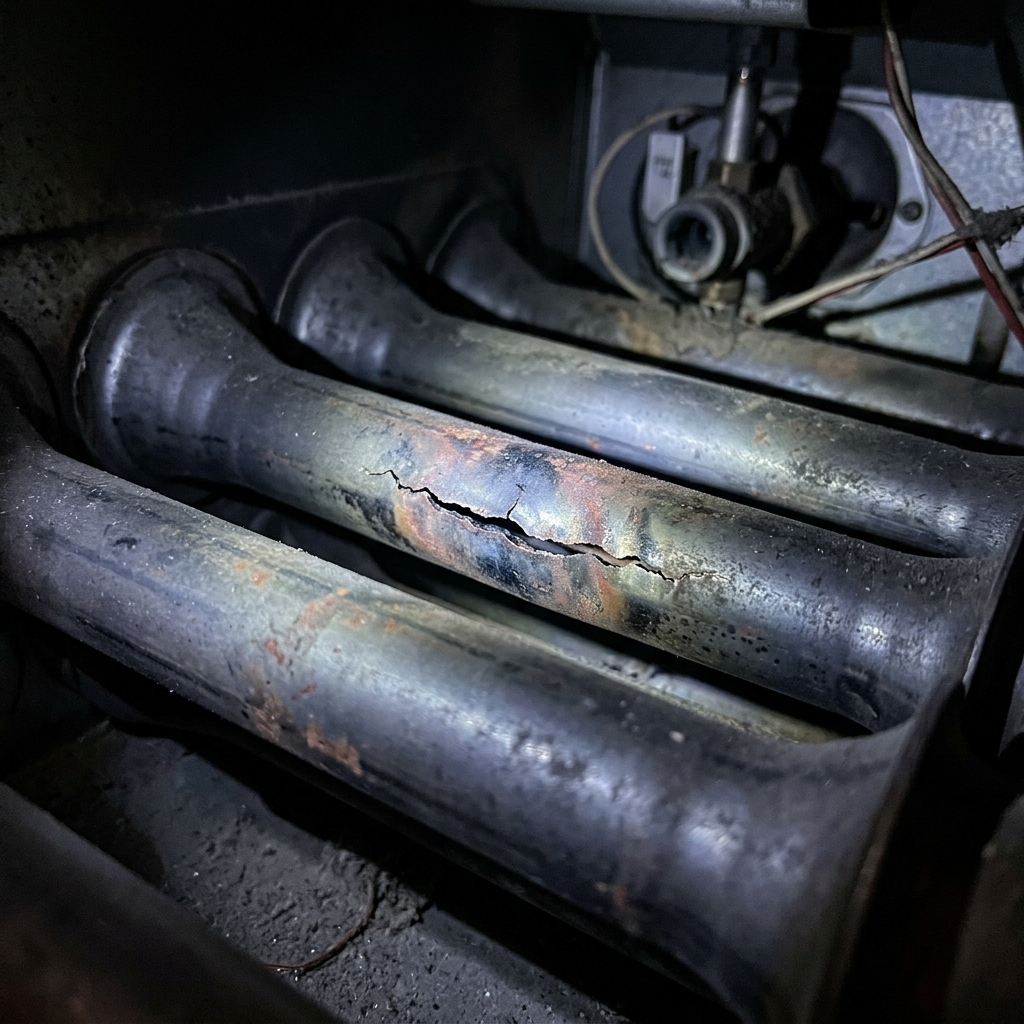
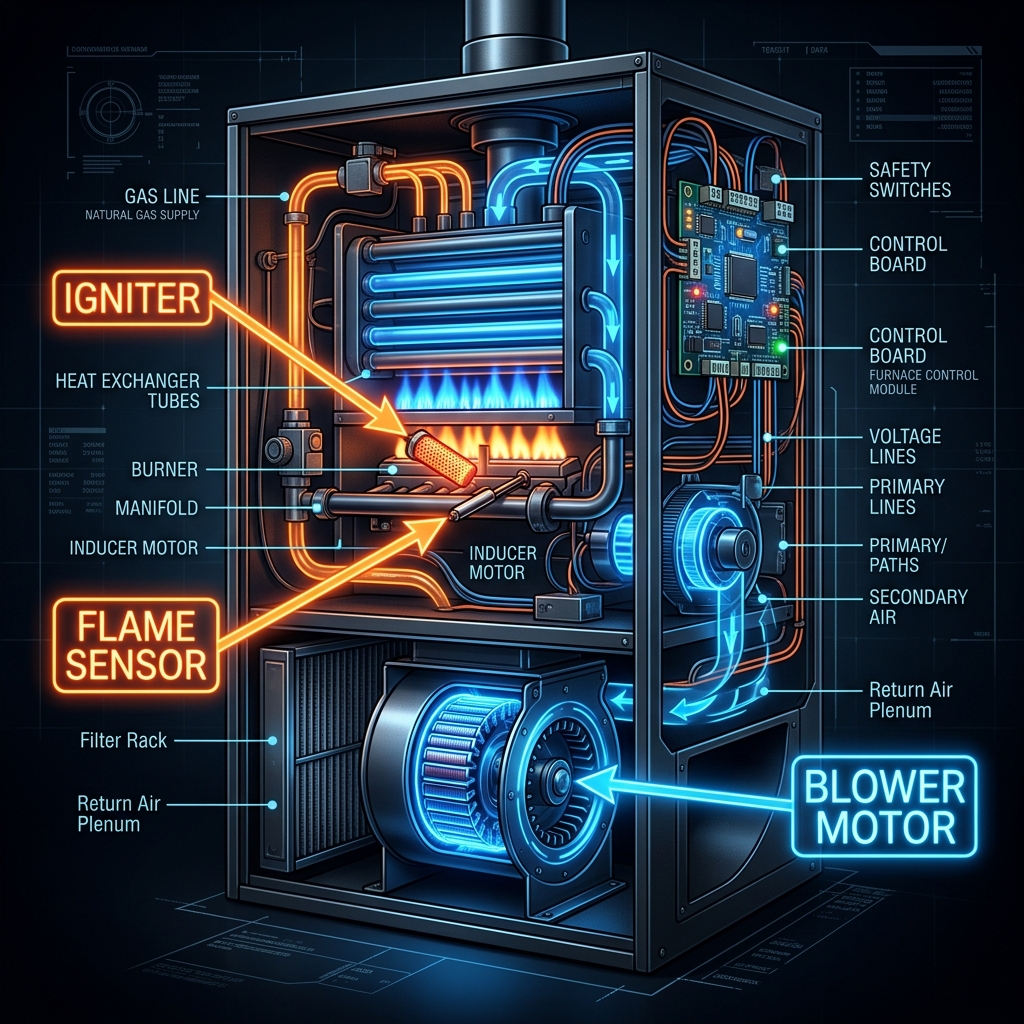
A gas furnace is fundamentally simple. Gas enters a burner. A flame heats a metal box (the heat exchanger). A fan blows air over the hot metal box. That's it. The reason corporate companies present it as a mysterious, dangerous machine is because the fear of the unknown is the most profitable emotion in home services.
Avg. Cost to Replace: $80 - $200
Lifespan: 5-7 Years
What Techs Won't Tell You: The #1 most common furnace failure. A $20 part on Amazon. Most homeowners can replace it themselves with a screwdriver.
Avg. Cost to Replace: $75 - $150
Lifespan: 5-8 Years
What Techs Won't Tell You: Causes "short cycling" (furnace fires then shuts off after 5 seconds). Often just needs to be sanded clean with emery cloth — a 2-minute free fix.
Avg. Cost to Replace: $300 - $600
Lifespan: 10-15 Years
What Techs Won't Tell You: Do NOT replace an $8,000 furnace over a dead blower motor. This is a modular, bolt-in component.
Avg. Cost to Replace: $250 - $500
Lifespan: 10-15 Years
What Techs Won't Tell You: A small fan that pulls combustion gases through the heat exchanger. Sounds like a jet engine when failing. Replaceable in 30 minutes.
Avg. Cost to Replace: $250 - $500
Lifespan: 15-20 Years
What Techs Won't Tell You: The "computer brain" of the furnace. Techs will claim the board is "obsolete" and push a new furnace. Aftermarket boards are widely available online for $80-$150.
Avg. Cost to Replace: $1,500 - $3,000
Lifespan: 20-30 Years
What Techs Won't Tell You: The ONLY component where replacement vs. new furnace is a legitimate debate. If genuinely cracked AND your furnace is 20+ years old, a new furnace may make sense.
Techs will push a $7,000 high-efficiency (96% AFUE) furnace over a $3,500 standard (80% AFUE) unit. In Spokane's climate, the annual gas savings is roughly $150-$250/year. That means the "payback period" for the $3,500 price premium is 14-23 years — longer than the furnace itself will last. For most Spokane homeowners, the standard 80% furnace is the smarter financial decision.
3. Heat Pumps vs. Gas Furnaces
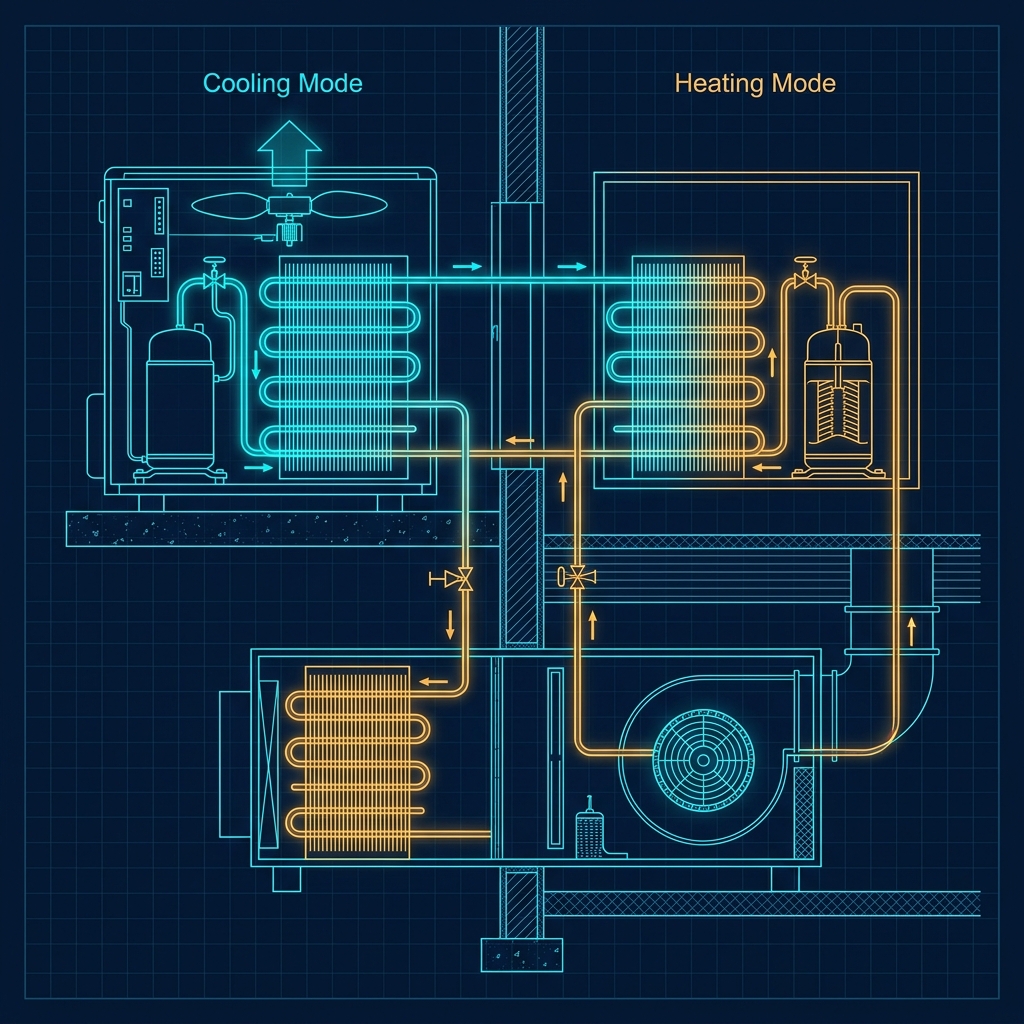
Heat pumps are the fastest-growing HVAC technology in the Pacific Northwest. They don't burn fuel — they transfer heat using refrigerant, effectively functioning as a reversible air conditioner. In summer, they cool your house. In winter, they extract ambient heat from outdoor air and pump it inside.
Gas Furnace
Best for: Spokane homeowners on natural gas lines who experience sustained below-zero temperatures. Gas furnaces produce 120°F+ supply air, creating aggressive, fast heating during extreme cold snaps.
Operating Cost: ~$700-$1,200/year depending on insulation and home size.
Weakness: Burns fossil fuel, produces CO, requires annual combustion safety inspection.
Heat Pump (Air-Source)
Best for: Homeowners wanting to eliminate gas dependency. Modern "cold climate" heat pumps (Mitsubishi Hyper-Heat, Daikin Fit) operate effectively down to -13°F.
Operating Cost: ~$500-$900/year, significantly cheaper in moderate winters.
Weakness: Supply air is 95-105°F (feels "lukewarm" compared to gas). Supplemental electric heat strips kick in during extreme cold, spiking your electric bill.
The most efficient configuration for Spokane's wild temperature swings is a Dual Fuel system: a heat pump handles heating above 30°F (when it operates at 300%+ efficiency), and automatically switches to a gas furnace below 30°F (when gas becomes cheaper per BTU than electricity). This hybrid approach can cut annual heating costs by 30-40%.
4. Air Conditioning: What Actually Fails
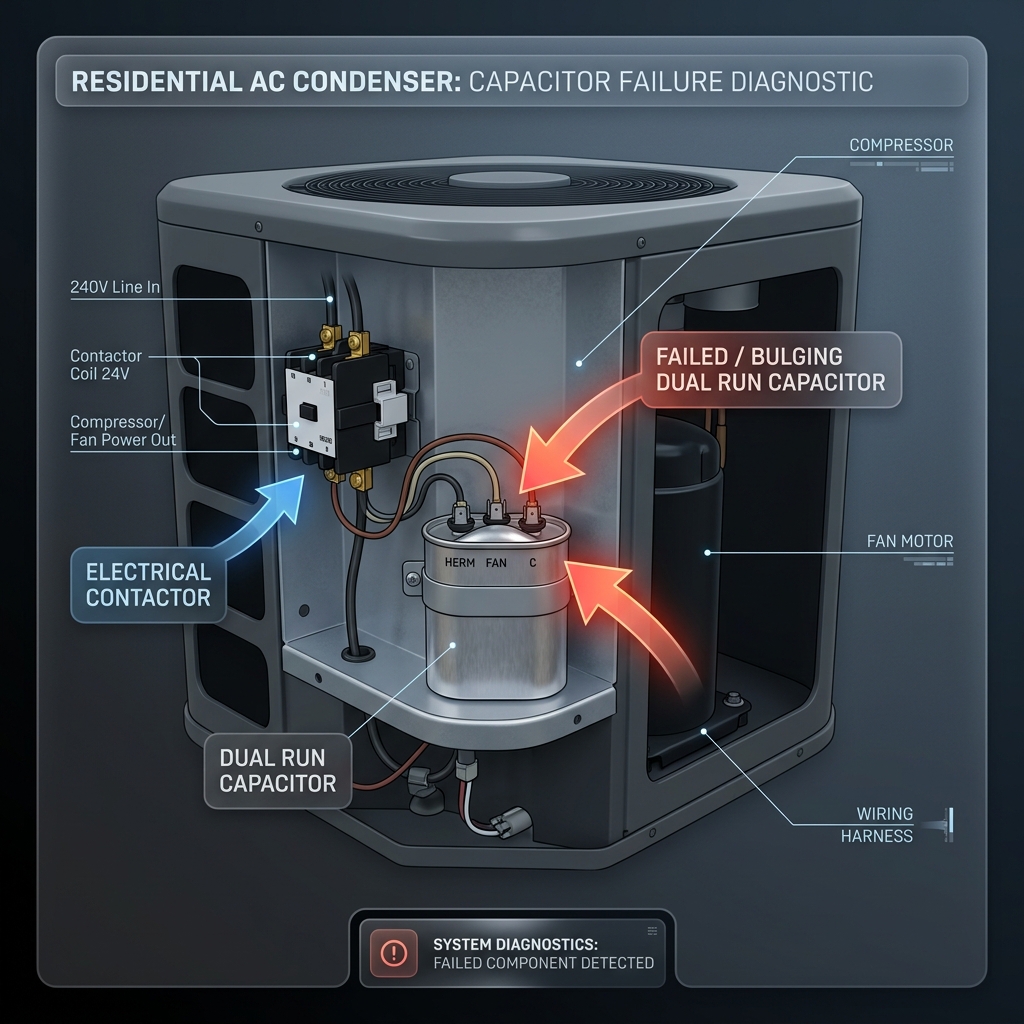
Spokane's summers are increasingly brutal — consecutive days over 100°F in July are now common. AC failures happen during heat waves, which is precisely when every HVAC company is booked solid and charging emergency premiums.
The #1 most common AC failure. The capacitor is a small cylindrical device that stores an electrical charge to kick-start the compressor and fan motors. When it fails, the outdoor unit hums loudly but won't spin. The part itself costs $8-$25 on Amazon. A fair service call to diagnose and replace it should cost $150-$250 total. If a tech quotes you $500+ or suggests a new outdoor unit, walk away.
Your AC is a sealed system — refrigerant should NEVER need "topping off." If a tech tells you the system is "a little low on Freon" and charges you $150/lb to add more, you have a leak. Simply adding refrigerant without finding and fixing the leak guarantees you'll be paying for another recharge in 6-12 months. Demand a leak search (nitrogen pressure test + electronic sniffer) before authorizing any refrigerant addition.
If ice is forming on your indoor coil, the two most common causes are: 1) A severely dirty air filter restricting airflow (free fix), or 2) Low refrigerant charge (leak). A corporate tech will diagnose "frozen coil" and recommend replacing the entire evaporator coil for $2,000+. Before authorizing anything, change your filter, let the ice melt for 4 hours with the fan set to ON, and restart the system. If it freezes again, you likely have a refrigerant leak — not a defective coil.
5. Ductwork & Airflow Optimization
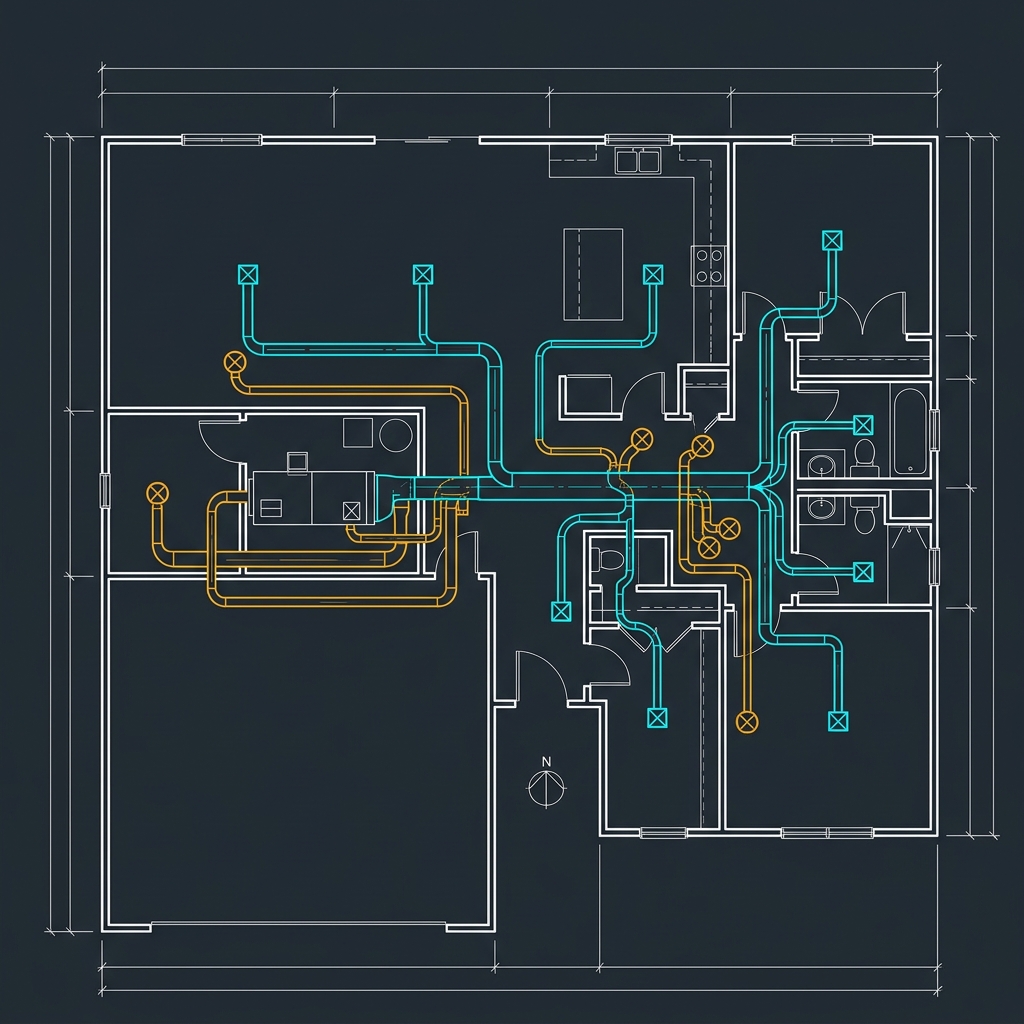
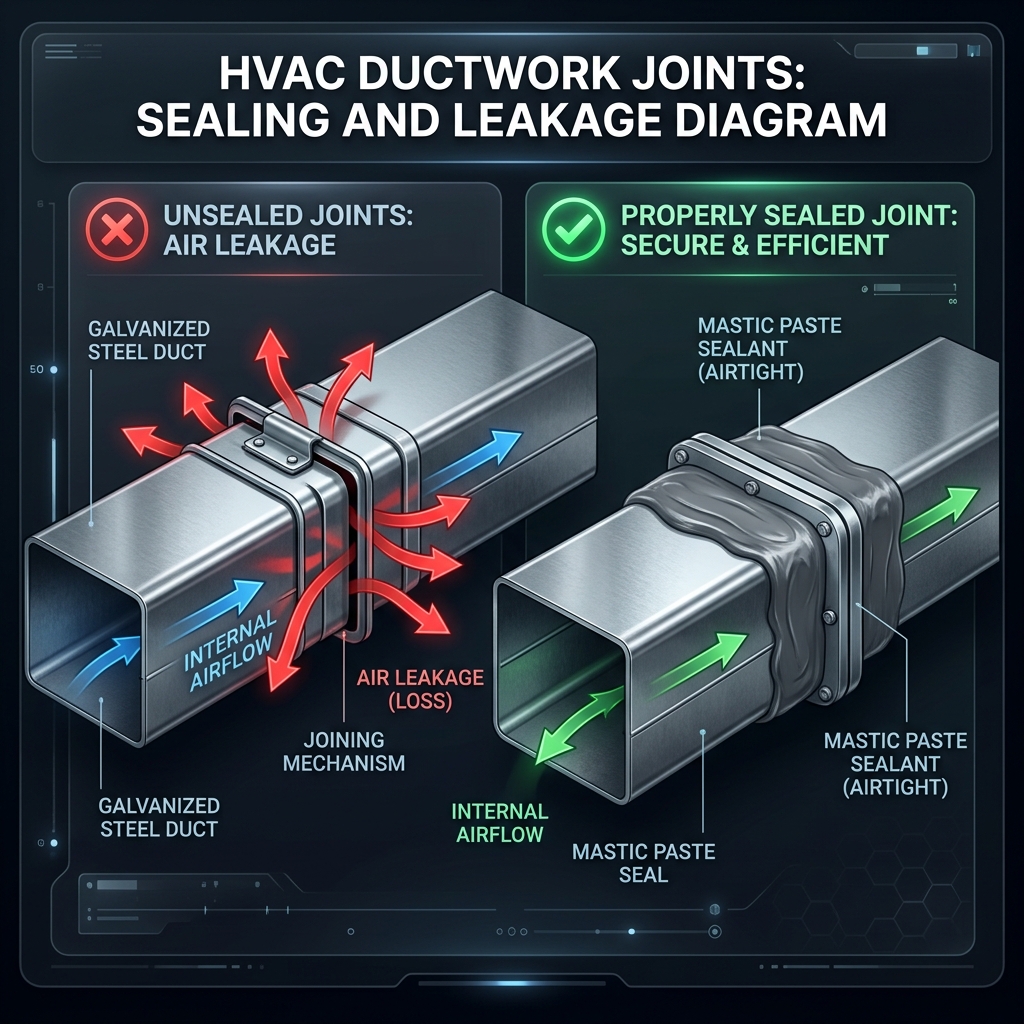
Your ductwork is the circulatory system of your HVAC. Even a brand-new $10,000 high-efficiency furnace will underperform dramatically if it's pushing heated air through crushed, leaky, or undersized ducts.
Symptom: Rooms far from furnace are cold; high energy bills
DIY Fix: Mastic sealant on accessible joints ($15/can)
Professional Cost: $500-$1,500 for full duct sealing
Symptom: One room barely gets airflow
DIY Fix: Reposition or re-support the flex run
Professional Cost: $200-$400 per run
Symptom: Heating the crawlspace/attic instead of your room
DIY Fix: Reconnect with sheet metal screws + mastic
Professional Cost: $150-$300
Symptom: Furnace overheats and short-cycles; loud "whooshing"
DIY Fix: Cannot DIY (requires sheet metal work)
Professional Cost: $800-$2,000
The EPA has stated that duct cleaning has "never been shown to prevent health problems." Unless you have visible mold growth inside your ducts, or you've just completed major home renovation (drywall dust), duct cleaning is largely unnecessary. Companies offering $49 "whole house duct cleaning" use that as a loss-leader to get inside your home and upsell you on $5,000+ duct replacement or a new furnace.
6. Refrigerant Intelligence
Refrigerant regulation is the single most exploited topic in the HVAC industry. Companies weaponize environmental law to pressure homeowners into premature replacements.
Status: Production Banned (2020)
What They Tell You: "Your system uses illegal refrigerant. You MUST replace it."
The Actual Truth: Using R-22 is NOT illegal. Manufacturing it is. Existing supplies remain available. Drop-in replacements like R-407C or MO99 work in most R-22 systems.
Status: Being Phased Down
What They Tell You: "R-410A is being banned next. Better upgrade now."
The Actual Truth: R-410A is being phased down starting 2025, but existing equipment can be serviced indefinitely. There is no mandate to replace working R-410A systems.
Status: Current Standard (2025+)
What They Tell You: "This is the future, and only our new systems use it."
The Actual Truth: True — new equipment will use R-454B. But this has zero impact on your existing, working system. Don't replace a functioning unit to "stay current."
7. Smart Thermostat Intelligence
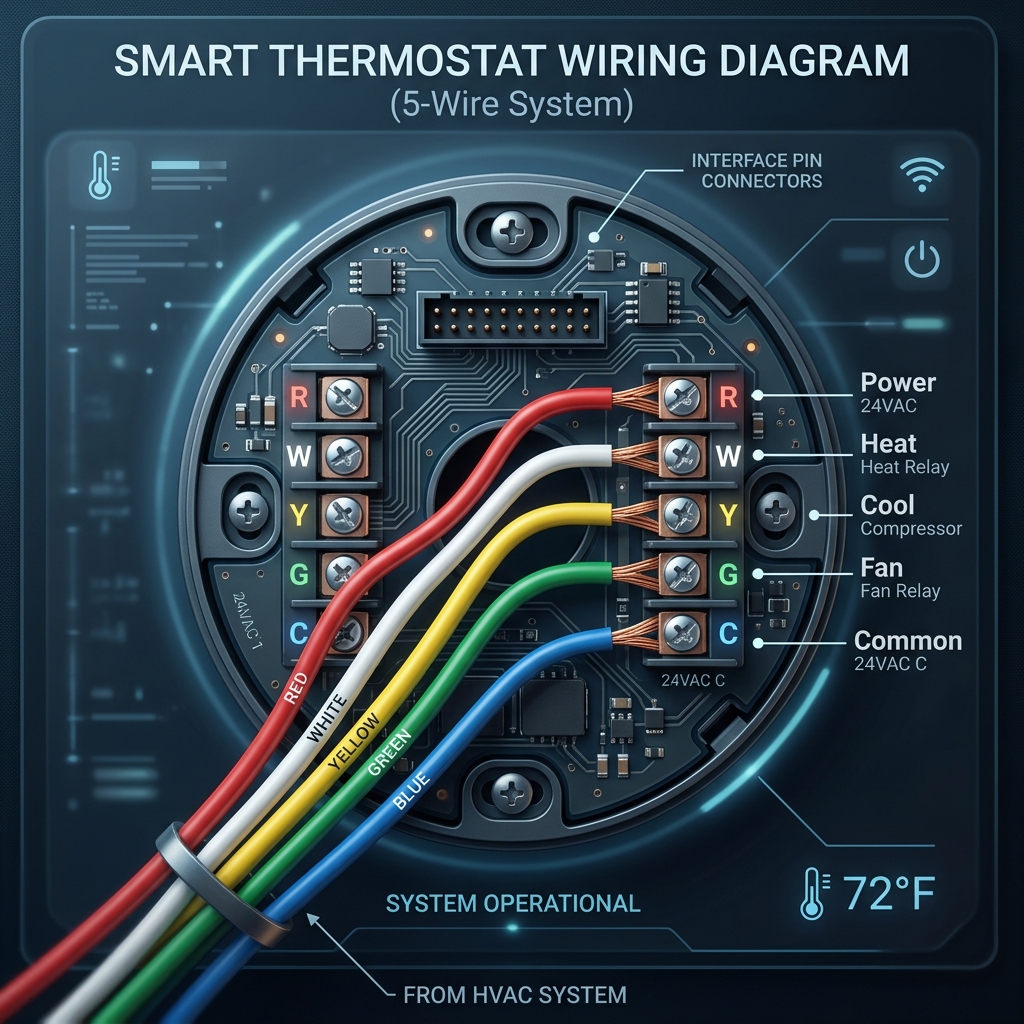
A smart thermostat is the single highest-ROI upgrade most Spokane homeowners can make. It costs $130-$250, takes 30 minutes to install, and can reduce your heating/cooling bill by 10-15% annually through intelligent scheduling and occupancy detection.
Google Nest: Best for simple households. Clean interface, learns your schedule automatically, works seamlessly with Google Home. Weakness: No remote temperature sensors (can't monitor individual rooms).
Ecobee Premium: Best for multi-story homes. Includes remote room sensors to balance temperatures across floors. Built-in Alexa. Weakness: More complex setup.
Honeywell T9: Best for traditional households. Familiar interface for those who hate "techy" designs. Room sensors available. Weakness: App is clunky compared to Nest/Ecobee.
Avista Utilities (Spokane's primary gas/electric provider) frequently offers $50-$100 rebates on ENERGY STAR smart thermostats. Check avistautilities.com/rebates before purchasing.
9. Air Filtration Intelligence
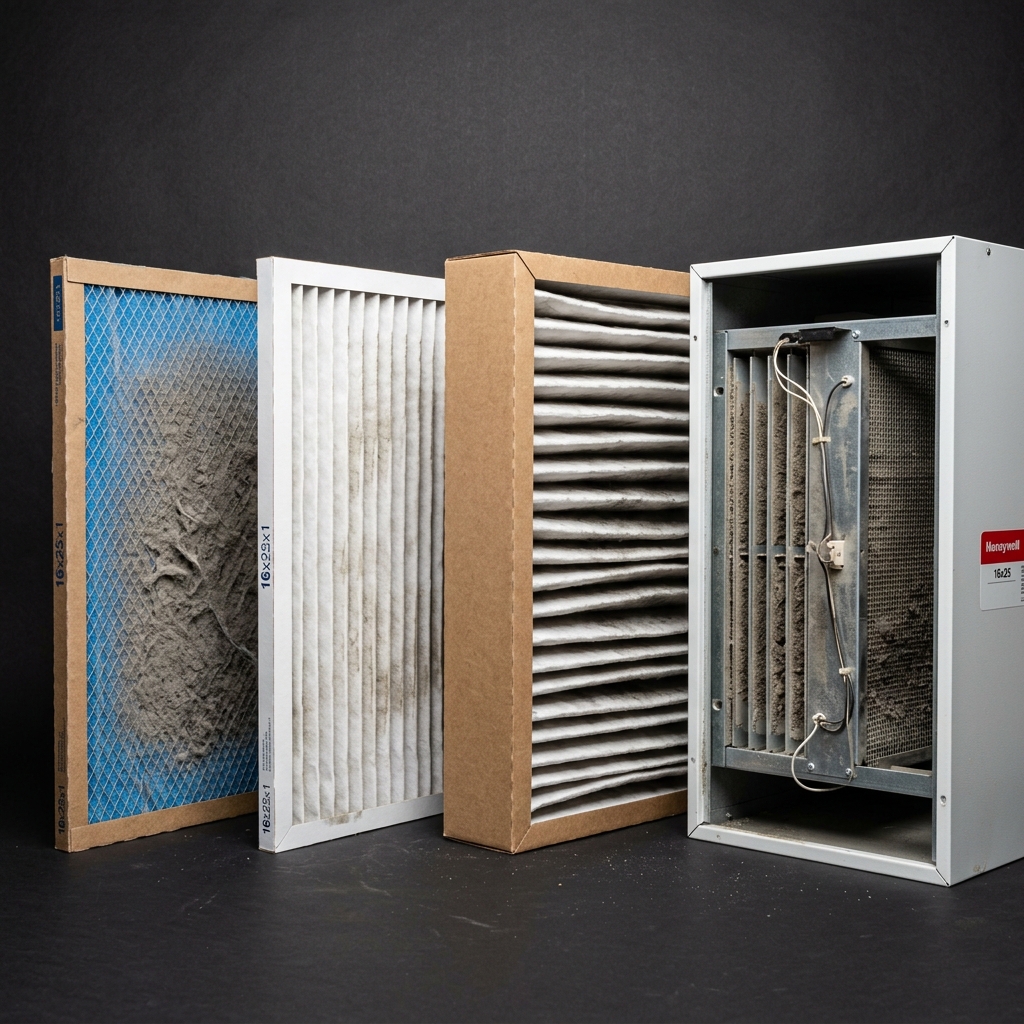
Your furnace filter is the most frequently neglected and most impactful maintenance item in the entire HVAC system. A clogged filter restricts airflow, forces the blower motor to work harder (increasing electricity consumption by up to 15%), and can cause the heat exchanger to overheat and crack prematurely.
| Filter Type | MERV Rating | Cost | Change Interval |
|---|---|---|---|
| Fiberglass (1-inch) | MERV 1–4 | $1–$3 | Every 30 days. Captures large debris only. |
| Pleated (1-inch) | MERV 8–11 | $8–$15 | Every 60–90 days. Best value for most homes. |
| Deep Media (4–5 inch) | MERV 11–16 | $25–$45 | Every 6–12 months. Requires compatible filter cabinet. |
| Electronic Air Cleaner | Equivalent MERV 15+ | $800–$1,200 installed | Washable cells. Clean every 3 months. |
WARNING: The MERV 16+ Trap
Corporate techs will upsell you on MERV 16 or higher "hospital grade" filters. These are so restrictive that they can starve a standard residential blower motor of airflow, causing the evaporator coil to freeze solid and the compressor to overheat. Unless your system was specifically designed for high-MERV filtration (variable-speed ECM blower motor + oversized return duct), stick to MERV 8–13.
10. The Real Maintenance Schedule
Corporate HVAC companies sell $19/month "maintenance memberships" that include two visits per year. These visits exist primarily as sales appointments—the tech inspects your system, identifies "concerns," and pressures you into $3,000–$8,000 in upgrades. Here is exactly what your system actually needs and when:
Fall (Before Heating Season)
- Replace or clean the furnace filter
- Test the furnace ignition cycle (turn the thermostat to heat, listen for igniter click)
- Inspect the flue pipe for disconnection or rust
- Test all CO detectors (replace batteries annually)
- Clear debris from around the outdoor AC unit if you have a heat pump
Spring (Before Cooling Season)
- Replace the furnace filter again
- Rinse the outdoor condenser coils with a garden hose (top down)
- Verify the condensate drain line is clear (pour a cup of bleach down the PVC drain)
- Test AC operation: set thermostat 5° below room temp, verify cold air within 5 minutes
- Check thermostat batteries and programming
Professional Service: When You Actually Need It
A professional combustion analysis (measuring flue gas CO, CO2, and draft) should be done every 3–5 years on gas furnaces. A refrigerant charge check should be done only if the AC is not cooling properly. You do NOT need a $228/year maintenance contract to have someone look at your filter twice a year.
11. Spokane Climate & Sizing Considerations
Spokane exists in IECC Climate Zone 5B—a semi-arid continental climate with extreme temperature swings. Summer peaks hit 100°F+. Winter lows dive to -10°F to -20°F during Arctic outbreaks. This 120-degree annual temperature swing places extraordinary demands on HVAC equipment that are fundamentally different from mild-climate cities like Seattle or Portland.
Manual J Load Calculations
The ONLY way to correctly size an HVAC system is a Manual J load calculation—a room-by-room mathematical analysis of your home’s insulation R-values, window U-factors, square footage, orientation, and air infiltration rate. Corporate companies routinely skip this and use the lazy "rule of thumb" (1 ton per 500 sq ft), which almost always oversizes the system.
Why oversizing is catastrophic: An oversized AC cools the air so fast that it shuts off before it can dehumidify. You end up with a cold, clammy house that grows mold. An oversized furnace "short cycles"—blasting intense heat for 3 minutes then shutting off, creating massive temperature swings and dramatically shortening the heat exchanger’s lifespan.
Heat Pumps in Spokane: The Real Math
Modern cold-climate heat pumps (Mitsubishi Hyper-Heat, Daikin Aurora, Bosch IDS 2.0) operate efficiently down to -13°F to -22°F. However, their heating capacity drops significantly below 20°F. In Spokane’s climate, a heat pump should be designed as a dual-fuel system: the heat pump handles 80% of winter days (above 25°F) at 300% efficiency, and a gas furnace kicks in as backup during the coldest 10-15 days per year.
True Cost: A properly sized 3-ton cold-climate heat pump + gas furnace dual-fuel system should cost $8,000–$12,000 installed by an independent contractor. Corporate quotes routinely hit $18,000–$25,000 for identical equipment.
8. The Extortion Tactics Library
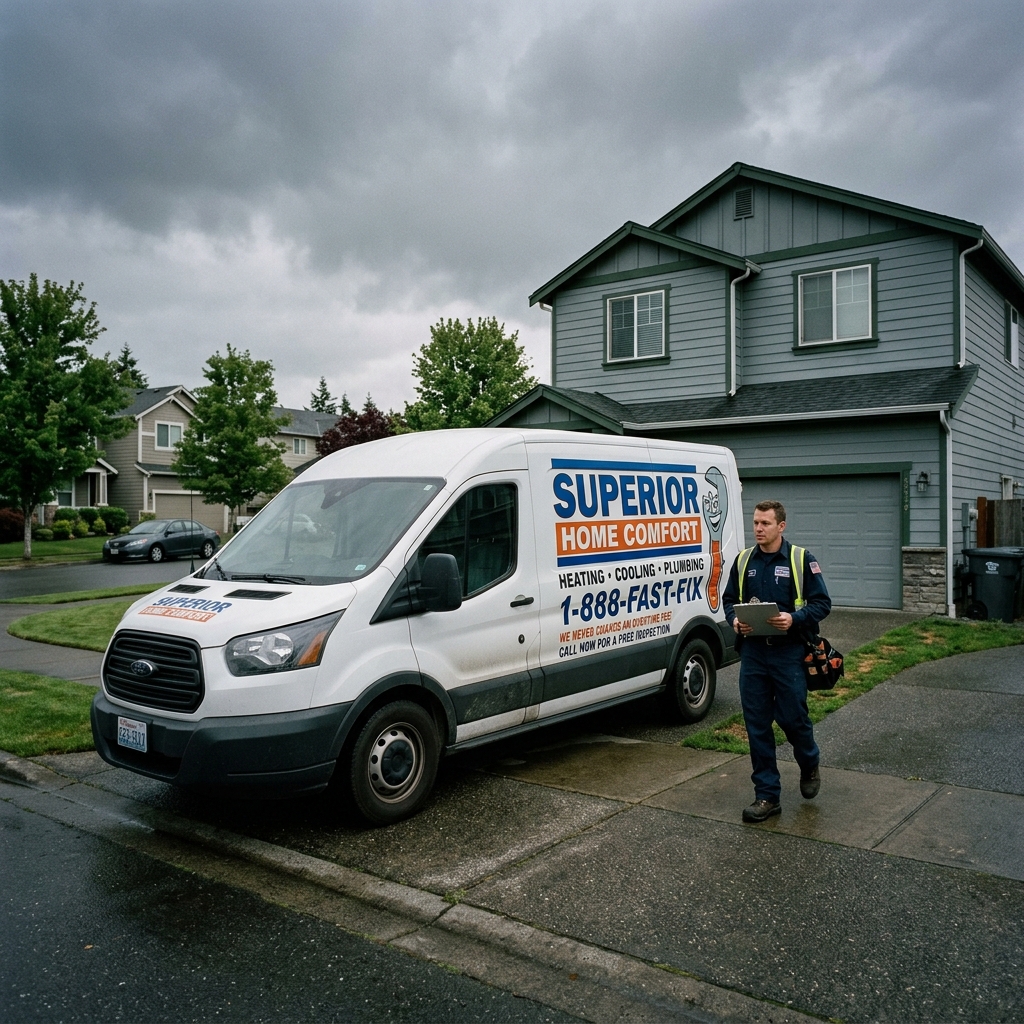
Below are the most statistically frequent manipulation tactics recorded across corporate and Private Equity-owned HVAC franchises operating in the Spokane market.
The Pitch: A mailer or online ad offers an "$89 Furnace Tune-Up!" A tech arrives, spends 20 minutes, then delivers a multi-page "report" claiming your furnace has a cracked heat exchanger, a failing blower motor, and carbon monoxide risk. He quotes $4,500 in repairs — or offers to install a brand-new system "today only" for $8,000.
The Truth: The "$89 tune-up" is a loss-leader designed to get a salesperson inside your home. These techs are often on commission and receive bonuses for selling new equipment. Unless your CO detector is actively alarming, get a second opinion from an independent local company before authorizing ANY work discovered during a "cheap tune-up."
The Pitch: "Your system uses R-22 Freon, which is now banned by the EPA. We legally cannot service it. You need a complete system replacement — $12,000."
The Truth: Owning and operating an R-22 system is 100% legal. Servicing it is 100% legal. Only the manufacture of new R-22 was banned. Existing stockpiles and reclaimed R-22 are available and legal to use. Additionally, drop-in replacement refrigerants (MO99, R-407C) work in most R-22 systems at a fraction of the cost. A tech who refuses to service your working R-22 system is lying to you.
The Pitch: During a routine service call, the tech holds up a handheld CO meter near the furnace flue, shows you a reading, and declares: "This furnace is leaking carbon monoxide. I have to red-tag it and shut it down for your safety. You need a new furnace immediately."
The Truth: Trace amounts of CO at the flue vent are completely normal — that's literally combustion exhaust. The question is whether CO is leaking INTO your living space. If your home's battery-operated CO detectors are NOT alarming, and the tech cannot demonstrate measurable CO in your living areas (not at the furnace exhaust port), the reading is meaningless scaremongering. Get a second opinion before allowing anyone to "red-tag" your furnace in January.
The Pitch: "Sign up for our $19.99/month Comfort Club membership and you'll get priority service, free tune-ups, and extended warranties!"
The Truth: That's $240/year. Over 10 years, you've paid $2,400 for two annual "tune-ups" (cleaning the flame sensor and changing the filter) that independently cost $100-$150 each on the open market. The "priority service" means corporate members get bumped ahead of non-members during emergencies — effectively creating a two-tier system where you're paying extra just to receive normal response times. The "extended warranty" typically covers parts only (not labor), and is voided if you ever use a different company for service.